Iris Flower Classification Model
-
0 sales
- 14 views
- Save
0 /5.0
User review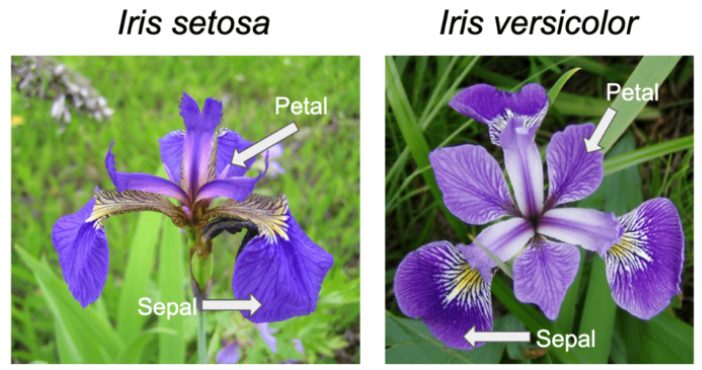
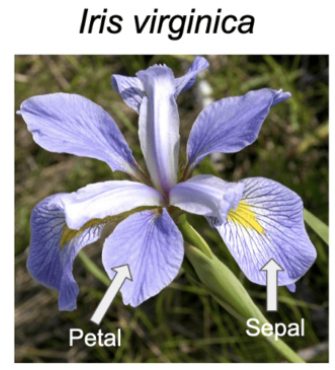
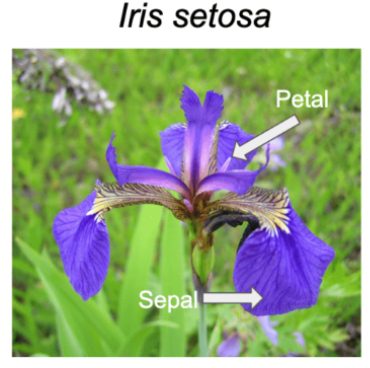

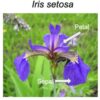
This project is known as the ultimate "Hello World" for machine learning and is a great starting point for anyone looking to get comfortable with supervised classification. Using the famous Iris dataset, you will train an algorithm to categorize 150 different flowers into three species based entirely on the length and width of their petals and sepals.
Instead of writing rigid if/else rules, you will use Python and scikit-learn to deploy Logistic Regression and Support Vector Machines (SVM). You will start by exploring the data visually using the Seaborn library. The graphs quickly show that while one flower species is easy to separate, the other two overlap. This is where the SVM algorithm becomes useful because it projects your data into a higher-dimensional space and draws complex, soft-margin boundaries between overlapping points.
By the end of this project, you will have a fully functioning model that usually reaches over 96% accuracy. You will also learn how to read a confusion matrix to see exactly where the algorithm made mistakes. This is a strong portfolio piece that helps transition from standard programming to algorithmic thinking based on real data.
Fequently asked questions
Is this project free to download?
Yes Exactly, you can download this project for free, it is considered as a Hello World of Machine Learning